Source Wheel Loader Differential Parts for Construction
Find 30 wheel loader differential components for XCMG, LiuGong, and ZL50C models. Compare specifications including 45# carbon steel construction, hot forging processes, and CE/ISO certifications to identify suitable parts for heavy machinery maintenance; compare the available evidence and request quotations based on your requirements.
Key considerations
Products List




Comprehensive Sourcing Guide
Wheel Loader Differential Sourcing Guide
Procuring a wheel loader differential requires precise alignment with your machinery’s operational demands and existing fleet specifications. The differential is a critical drivetrain component that distributes torque to the wheels, ensuring stable traction and maneuverability under heavy loads. Buyers must prioritize components that match the original equipment manufacturer’s (OEM) engineering tolerances to prevent premature wear or catastrophic drivetrain failure. This guide outlines the essential verification steps for sourcing these parts, focusing on technical integrity, compliance, and commercial reliability.
Successful sourcing begins with identifying the correct model compatibility, as differentials vary significantly across loader series. Observed listings indicate compatibility with mainstream brands such as XCMG and LiuGong, with specific models like the ZL50C, ZL940, ZL950, and ZL936 frequently referenced. Buyers should cross-reference their machine’s serial number and model plate with supplier data to ensure a direct fit. Misidentification can lead to costly installation delays and operational downtime, making accurate model verification the foundational step in the procurement process.
Product Scope and Observed Listing Signals
The market for wheel loader differentials presents a wide range of options, with observed price points spanning from $10 to $100,000 USD. This broad spectrum reflects variations in component complexity, material quality, and whether the unit is a standalone part or a complete assembly. Minimum order quantities (MOQ) typically range from 1 to 50 units, offering flexibility for both single-replacement repairs and bulk fleet maintenance contracts. Buyers should analyze price tiers against material specifications and certification levels to avoid under-specifying critical drivetrain components.
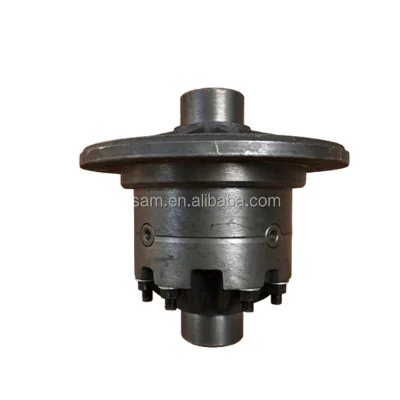
Product listings often highlight specific construction methods and finishing treatments that impact durability. Common attributes include hot forging combined with CNC machining, followed by surface painting in standard yellow anti-rust finishes. Materials frequently cited are 45# carbon steel or alloy steel, chosen for their high strength and fatigue resistance. Packaging varies from standard export wooden cases to nude packing in containers, which influences logistics costs and protection during transit. Understanding these physical attributes helps buyers assess the robustness of the differential against harsh operating environments.
Technical Specifications to Verify
Verifying technical specifications is paramount to ensuring the differential integrates seamlessly with the loader’s transmission and axle systems. Key parameters include the rated load capacity, which often falls within the 1-3t or 3-6t ranges depending on the loader class. Buyers must confirm that the differential’s torque capacity matches the engine’s power output, typically around 92kw for larger units, to prevent slippage or structural failure. Additionally, the walking mode, whether wheeled or tracked, dictates the differential’s design and gear ratios, requiring strict adherence to the original machine configuration.
Dimensional and weight specifications also play a crucial role in installation and performance. Observed data indicates machinery weights around 8500kg and axle capacities of 2.5t, which the differential must support without deformation. Buyers should verify the tire specifications, such as 17.5-25, as these influence the final drive ratio and differential gearing. Furthermore, the lifting height and bucket width, often cited as 3600mm and 2400mm respectively, indirectly affect the load distribution on the drivetrain. Ensuring these metrics align with the supplier’s datasheet prevents mismatched components that could compromise the loader’s stability and efficiency.
Compliance and Safety Documentation
Compliance with international standards is essential for ensuring the safety and reliability of wheel loader differentials. Many suppliers provide certifications such as ISO9001, CE, RoHS, and TUV, which indicate adherence to quality management and safety regulations. Buyers should request valid certification documents to verify that the manufacturing process meets recognized industry benchmarks. These certifications are not merely administrative; they reflect a supplier’s commitment to consistent quality control and traceability, which are critical for long-term operational safety.
Safety documentation should also include detailed installation manuals and maintenance guidelines specific to the differential model. Buyers must ensure that the supplier provides clear instructions for torque specifications, lubrication requirements, and assembly sequences. Proper documentation helps prevent installation errors that could lead to leaks, overheating, or mechanical failure. Additionally, verifying that the product meets relevant EN standards, such as EN 474-3 for earth-moving machinery, ensures that the component aligns with broader safety frameworks for construction equipment.
Cost Drivers and Commercial Terms
Several factors influence the total cost of ownership for wheel loader differentials, including material costs, manufacturing complexity, and logistics. High-grade alloy steel and precision CNC machining contribute to higher upfront costs but offer superior durability and performance. Buyers should evaluate the trade-off between initial price and long-term reliability, considering that cheaper alternatives may require more frequent replacements. Packaging methods, such as wooden boxes versus nude container packing, also affect shipping costs and the risk of damage during transit, which should be factored into the commercial negotiation.
Commercial terms such as MOQ, lead times, and after-sales service support are critical components of the procurement strategy. While observed MOQs are flexible, bulk orders may offer better pricing but require careful inventory management. Buyers should negotiate clear terms for warranty coverage and technical support, especially for international shipments from origins like China (Shandong Linyi). After-sales service availability ensures that any technical issues can be resolved promptly, minimizing downtime. Understanding these commercial dynamics helps buyers structure contracts that balance cost efficiency with operational continuity.
Supplier Qualification and Quality Control
Supplier qualification involves a rigorous assessment of manufacturing capabilities and quality assurance processes. Buyers should verify that suppliers utilize advanced production techniques, such as hot forging and CNC machining, to ensure precision and consistency. Quality control measures should include material testing, dimensional inspections, and performance trials before shipment. Suppliers with ISO9001 certification are generally more reliable, as they maintain documented processes for quality management. Buyers should request sample reports or third-party inspection results to validate the supplier’s quality control claims.
Establishing a strong relationship with qualified suppliers is essential for maintaining a steady supply of critical parts. Buyers should assess the supplier’s ability to provide customization services, as some loader models may require specific modifications. Communication channels should be clear and responsive, facilitating quick resolution of any technical queries or order issues. Additionally, verifying the supplier’s production capacity and lead times ensures that parts are available when needed, preventing project delays. A qualified supplier acts as a strategic partner, contributing to the overall reliability of the loader fleet.
Long-Term Procurement Checks
Long-term procurement success depends on continuous monitoring of supplier performance and product quality. Buyers should implement regular audits and feedback loops to assess the durability and performance of installed differentials. Tracking failure rates and maintenance costs provides valuable data for future purchasing decisions. Suppliers who consistently deliver high-quality parts and responsive service should be prioritized for repeat orders. This data-driven approach helps optimize the procurement strategy and reduces the risk of sourcing substandard components.
Adapting to market changes and technological advancements is also crucial for long-term procurement. Buyers should stay informed about new materials, manufacturing techniques, and industry standards that may impact differential performance. Engaging with suppliers for technical updates and product improvements ensures that the fleet remains competitive and efficient. Additionally, reviewing commercial terms periodically helps secure favorable pricing and service levels. By maintaining a proactive and informed procurement strategy, buyers can ensure the long-term reliability and cost-effectiveness of their wheel loader operations.
FAQs
What material is used for the wheel loader differential?
The wheel loader differential is manufactured from 45# Carbon Steel or Alloy Steel. This material selection ensures high strength and durability under heavy loads. The components undergo hot forging and CNC machining for precision. Surface painting provides anti-rust protection in standard yellow color. This construction supports reliable performance in demanding construction environments.
Which loader models are compatible with this differential?
This differential fits mainstream brands including XCMG and LiuGong. Specific compatible models include ZL50C, ZL940, ZL950, and ZL936. These units are designed to match the specifications of medium to large loaders. Buyers should verify model compatibility before purchase to ensure proper fitment and operational safety for their machinery fleet.
Can the wheel loader differential be customized?
Yes, customization is available for the wheel loader differential. Buyers can request specific modifications to meet unique operational requirements. The product supports various standard configurations and packaging options. This flexibility allows for tailored solutions for different loader types. Contact suppliers directly to discuss specific customization needs and technical details.
What certifications do these loader parts hold?
These loader parts hold ISO9001, CE, RoHS, ISO, and TUV certifications. The products are in new condition and meet international quality standards. ISO9001 certification ensures consistent manufacturing quality. CE marking indicates compliance with European safety requirements. These certifications provide assurance of product reliability and regulatory adherence for global sourcing.
How is the wheel loader differential packaged for shipping?
The wheel loader differential is packaged in wooden packing boxes or standard export wooden cases. Some shipments may use nude packing in containers for efficiency. This packaging protects the components during transit. The sturdy packaging ensures the parts arrive in good condition. Buyers should specify their preferred packaging method when placing orders to suit their logistics needs.
Where are these wheel loader differentials manufactured?
These wheel loader differentials are manufactured in China, specifically in Shandong Linyi. The region is known for its heavy machinery component production. Products are exported to various markets including the Middle East. Buyers can expect competitive pricing and reliable supply chains from this origin. Verify specific factory details with suppliers for accurate sourcing information.